
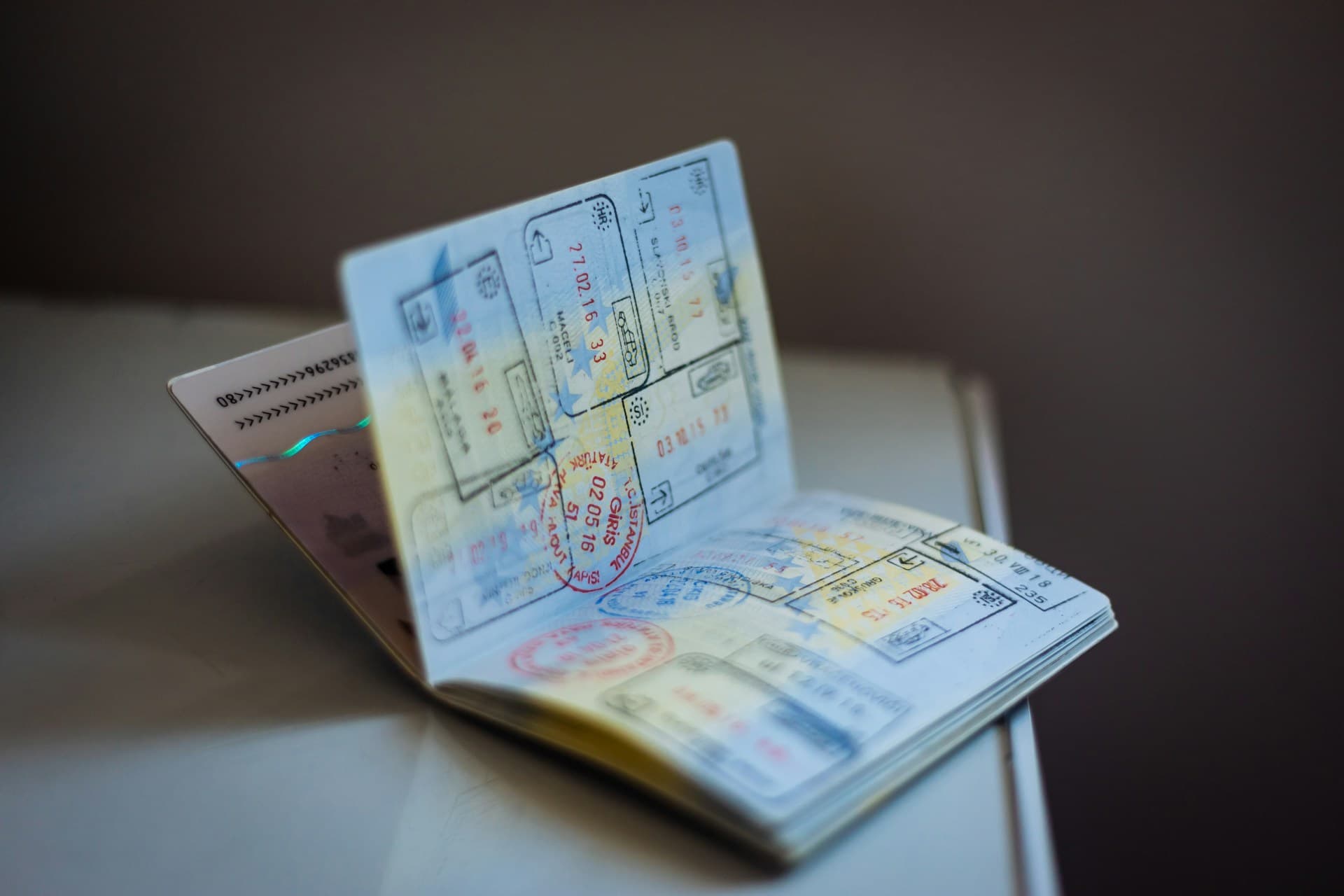
Photos of ICE agents standing near TSA checkpoints and escalators set off a wave of panic about domestic air travel. Immigration attorney Charles Kuck went live on Kuck Baxter Immigration specifically to calm it: if you have documents, you can still fly. You just have to carry the right ones.
For documented noncitizens, that means the physical proof of status, not just a driver’s license.
mic What the Attorney Says
“You are documented. You have a student visa. You’re on an H-1B visa. You are required by law to carry your passport with you with your I-94 card.”
The rest of the breakdown is document by document. U.S. citizens can carry a passport. A worker with an EAD can travel on the work permit plus a state REAL ID; many states issue REAL IDs to people with lawful status or work authorization who are not citizens or residents, and that ID is enough to board. DACA recipients can fly on their EAD and driver’s license. Green card holders are actually under a standing legal duty: INA 264(e) requires a lawful permanent resident to carry the green card at all times.
mic What the Attorney Says
“You can travel if you have paperwork and documents. Including residents, by the way, who have to carry their green card with you at all times.”
Kuck’s read on the enforcement itself is that the checkpoint presence has been mostly theater, not a pattern of lawful arrests of documented travelers.
mic What the Attorney Says
“We’ve seen no arrests, legitimate arrests, by anyone at airports by ICE of people with documentation.”
The clear exception is anyone with no lawful status and no documents, who should not go to an airport at all, including just to drop someone off. For people in a grayer zone, the underlying risk depends on your category, not the checkpoint: this is a different calculation than domestic travel once TPS or status has lapsed, and different again for an H-1B worker flying with only a pending extension. Residents who let the physical card lapse should also read up on the deferred-inspection and I-90 fix.